What Does a Digital Agency Do?
A digital agency drives business growth by building, managing, and scaling your online presence. They handle everything from custom websites and mobile apps to SEO strategies and paid campaigns. In today’s digital-first world, what does a digital agency do? They act as your full-service growth partner, delivering measurable results like 30-50% traffic boosts and higher conversions.
This guide breaks down digital agency services, key benefits, real-world use cases, and tips to hire the right one. Ready to rank higher and generate MQLs? Let’s dive in.
What Is a Digital Agency?
A digital agency (or digital marketing agency) specializes in online solutions to attract customers, boost visibility, and drive sales. Unlike traditional ad firms, they excel across digital channels: search engines, social media, websites, and apps.
They blend creative design, cutting-edge tech, and data-driven marketing. For example, 70% of businesses see ROI within 6 months of partnering with a full-service digital agency (HubSpot, 2025). Their focus? Turn online visitors into loyal customers.
Core Services Offered by a Digital Agency
Digital agencies offer end-to-end digital agency services tailored to your goals. Here’s what top agencies deliver:
- Website Design & Development
They craft responsive, high-performing websites that load in under 2 seconds and rank on Google. Key features include:
- Mobile-first design for 60%+ mobile traffic
- SEO-optimized structure with schema markup
- E-commerce integration for sales
- Conversion tools like chatbots and CTAs
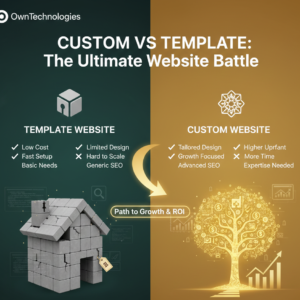
Result: Websites that convert 2-5x better than generic templates.
- Mobile App Development
Need to engage users on-the-go? Digital agencies build native Android/iOS apps with:
- Intuitive UI for high retention
- Push notifications for 40% re-engagement
- Scalable backend for millions of users
- App store optimization (ASO)
Perfect for e-commerce or service apps that boost direct customer access.
- Search Engine Optimization (SEO)
SEO services from a digital agency skyrocket organic traffic. They cover:
- In-depth keyword research (e.g., “what does a digital agency do” – 1K monthly searches)
- On-page tweaks: titles, meta, headers
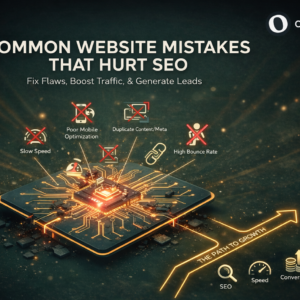
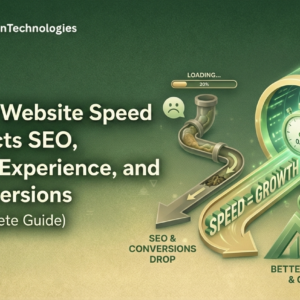
- Technical fixes: site speed, Core Web Vitals
- Content clusters and backlink building
Agencies aim for page 1 rankings, delivering 10x ROI over paid ads long-term.
- Digital Marketing Services
Fuel growth with targeted campaigns:
- Social media management (Instagram, LinkedIn)
- PPC ads (Google Ads, Meta) with 5-10% CTRs
- Content marketing: blogs, videos, infographics
- Email automation for 30% open rates
These generate qualified leads 24/7.
- UI/UX Design
Great UI/UX design ensures users stay and convert. Agencies create:
- Frictionless navigation
- A/B tested layouts
- Accessibility compliance
- Personalized experiences via heatmaps
Outcome: 200%+ engagement lifts.
Benefits of Hiring a Digital Agency
Why choose a digital agency over freelancers or in-house? Here’s the edge:
- Expertise Across Multiple Channels
One team handles design, dev, SEO, and ads – no silos. Save time coordinating specialists.
- Cost-Effective Solution
Flexible models (project/hourly/retainer) cut costs by 40-60% vs. full-time hires. Get enterprise results on a startup budget.
- Scalable Growth
Systems built to expand: add pages, campaigns, or integrations as you grow.
- Data-Driven Decisions
Real-time analytics (Google Analytics 4, Hotjar) optimize for 20-50% better performance.
Use Cases of a Digital Agency
See digital agency impact in action:
- Startups
- Launch MVP websites/apps in 4-6 weeks
- Build brand identity and run SEO for quick visibility
- Example: A fintech startup gained 10K users via app + SEO (case study link: Owntechnologies Portfolio)
- Small & Medium Businesses (SMBs)
- Redesign outdated sites for mobile
- Local SEO + Google Ads for 300% lead growth
- E.g., A Bengaluru retailer saw 150% sales via targeted campaigns.
- Enterprises
- Custom web apps with AI integrations
- Omnichannel marketing automation
- Global e-com platform for a SaaS firm, yielding $2M revenue.
How to Choose the Right Digital Agency
Picking the best digital agency means more MQLs and ROI. Follow these steps:
- Review portfolios/case studies for your industry (e.g., SaaS, e-commerce).
- Check SEO rankings – do they rank for “digital agency near me”?
- Ask for metrics: traffic growth, CAC reduction.
- Ensure transparent pricing and weekly reporting.
- Test communication: Schedule a free audit call.
Ready to grow? Contact Owntechnologies for a free digital strategy audit. We’ll analyze your site and deliver a custom plan to hit page 1.
Final Thoughts
A digital agency transforms your online game – from “what does a digital agency do” basics to advanced growth hacks. Partner with experts to rank higher, attract MQLs, and scale sustainably.
What’s your biggest digital challenge? Drop a comment or book a call today.
Frequently Asked Questions
1. What does a digital agency do for a business?
A digital agency helps businesses grow online by building websites and apps, improving search rankings through SEO, running digital marketing campaigns, and optimizing user experience to increase leads and sales.
2. How is a digital agency different from a digital marketing agency?
A digital agency offers end-to-end services including website development, app development, UI/UX design, SEO, and digital marketing, while a digital marketing agency mainly focuses on promotion channels like SEO, ads, and social media.
3. When should a business hire a digital agency?
A business should hire a digital agency when it needs to improve online visibility, launch or redesign a website or app, generate qualified leads, or scale digital marketing efforts with measurable ROI.
4. Are digital agencies suitable for small businesses and startups?
Yes, digital agencies work with startups and small businesses by offering scalable solutions such as MVP websites, SEO foundations, and targeted marketing campaigns that fit limited budgets and growth goals.
5. How do digital agencies measure success and ROI?
Digital agencies measure success using metrics like organic traffic growth, keyword rankings, conversion rates, lead quality (MQLs), customer acquisition cost (CAC), and overall return on investment (ROI).